Research and laboratories
Ventilation and exhaust for laboratories
A laboratory is judged on measurable parameters: face velocity at the hoods, pressure relationships between rooms, air change rates. There is no room for approximation.
RBQ licensed
100% commercial
Free quote


Why it matters
What makes a laboratory demanding
Three constraints separate a laboratory from an ordinary commercial building.
Personnel safety
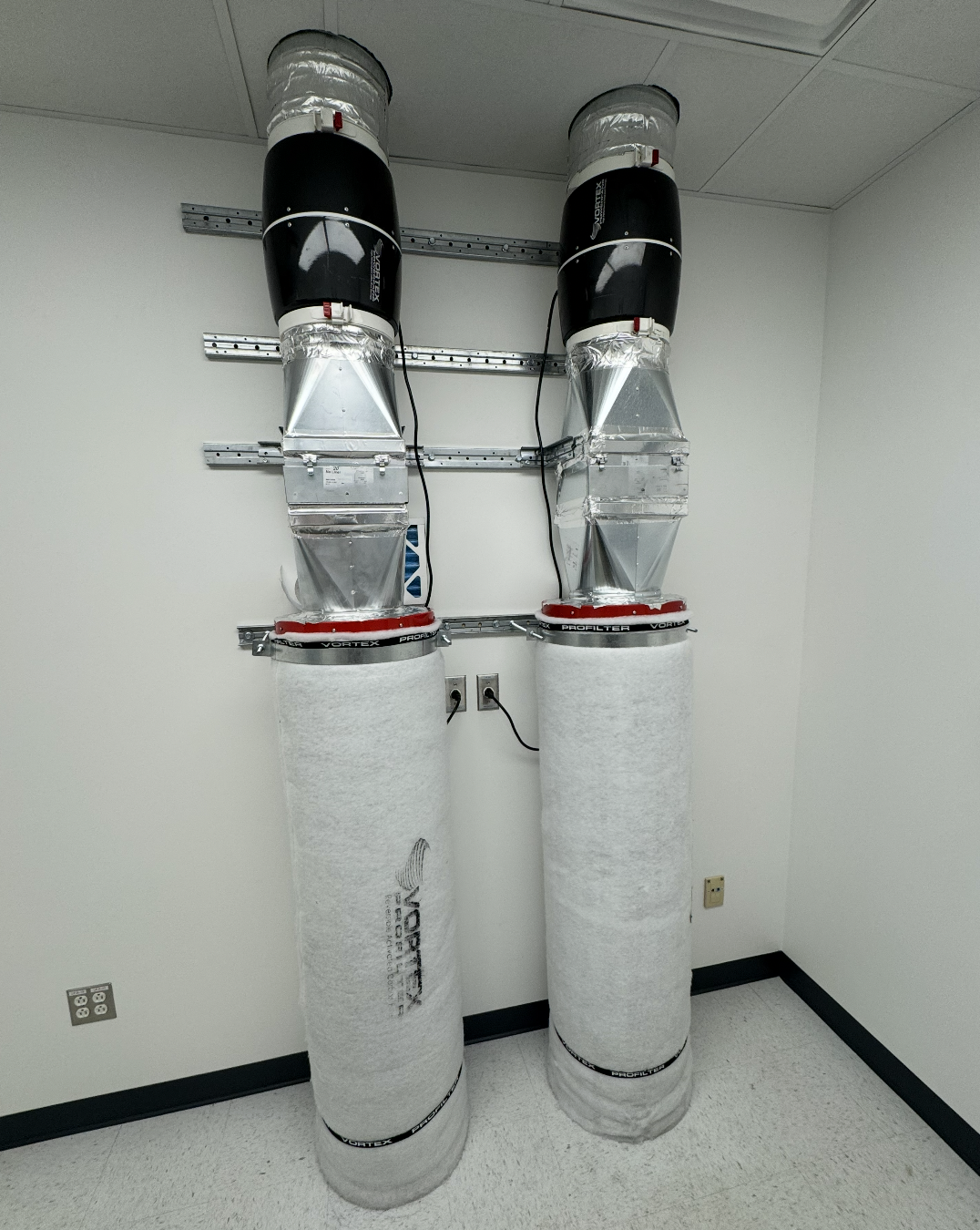
Fume hood exhaust has to hold a steady face velocity, including when several hoods run at once.
Pressure relationships
A handling room has to stay negative relative to the corridors. Rough balancing cancels out containment.
Material compatibility
Corrosive exhaust needs suitable duct and fans. Ordinary galvanised steel will not last.
The system
What we install in a laboratory
We install the ventilation and HVAC side; hood certification and validation belong with dedicated specialists.
✓ Chemical fume hood exhaust and associated ductwork
✓ Conditioned makeup air offsetting the exhaust
✓ Duct in materials compatible with the exhaust stream
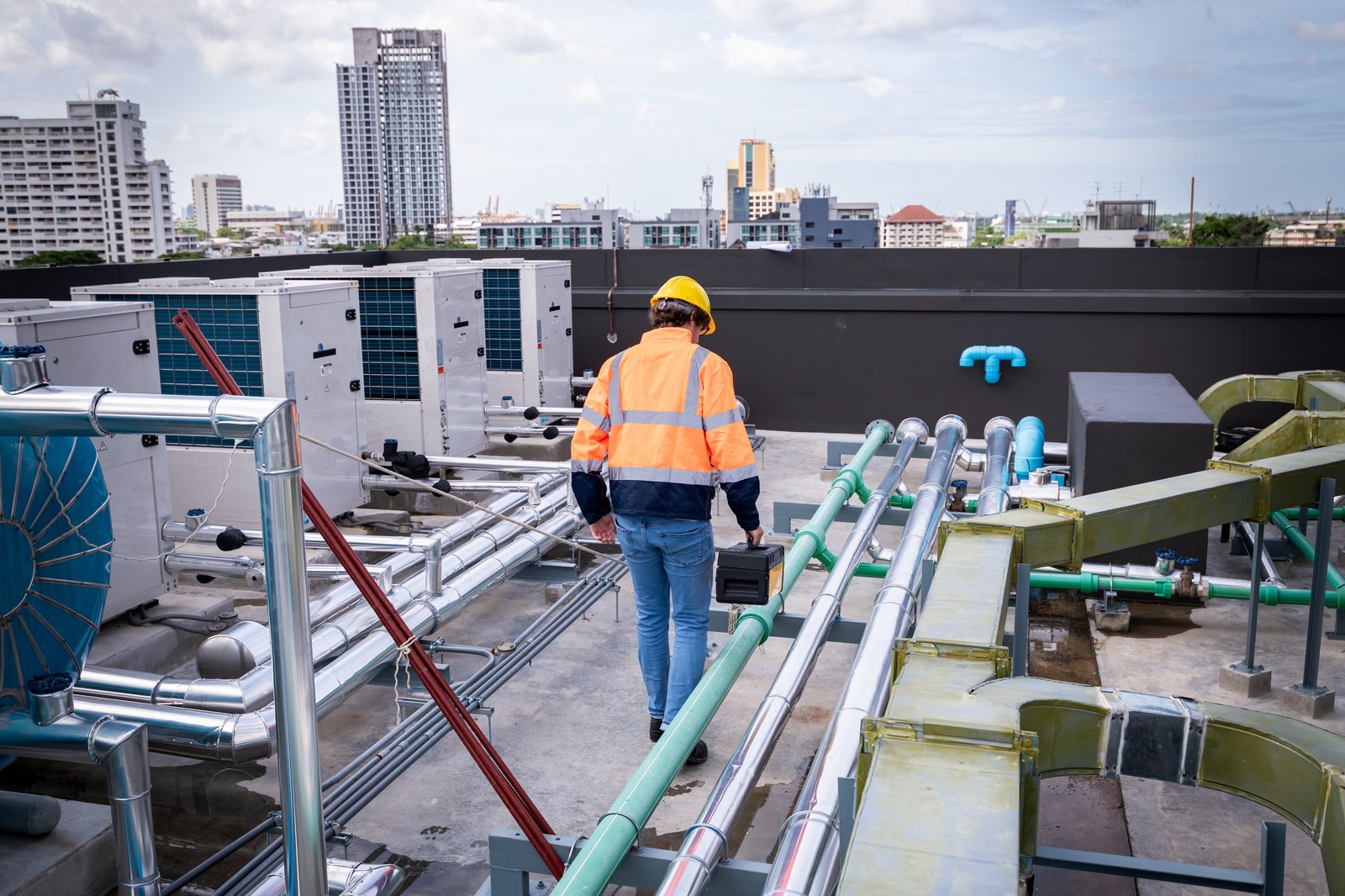
✓ Roof fans and discharge points located to code
✓ Airflow balancing and documentation at handover
Our process
From assessment to commissioning
Coordinated with your operations, permits and inspections included
01
Assessment
Site visit, survey of existing equipment, roof access and building constraints. We confirm what is actually there before proposing anything.
02
Design and quote
Sizing, duct routing and equipment selection, then a detailed quote: scope of work, equipment, schedule.
03
Installation
Roof work, ductwork and unit installation, electrical and gas coordination. Scheduled around your operating hours.
04
Permits and inspections
We handle permit applications and schedule the required inspections as part of the project, under Quebec building codes.
FAQ
Frequently asked questions
What our clients ask most often
Do you install for BSL-2 laboratories?
We carry out the mechanical installation to the design requirements provided to us. For higher containment levels, design and certification belong with biocontainment specialists we work alongside.
What about clean rooms?
We install the associated ventilation and HVAC. Cleanliness class qualification is performed by a specialised firm.
What materials do you use for corrosive exhaust?
It depends on the substances: stainless steel, specific coatings or composite materials. The choice follows from the list of products handled.
Can you work in an operating laboratory?
Yes, zone by zone and in stages, with planned shutdowns for connections. Work affecting exhaust is coordinated with your health and safety lead.
Do you provide balancing documentation?
Yes. Measured airflows and equipment documentation are part of project handover.
Go further
Related services
Our other commercial installation pages
Factory HVAC
Process exhaust.
HVAC by industry
All the sectors we serve.
Our services
Engineering and installation.
Free quote
Let’s talk about your laboratory
Number of hoods, substances handled and which rooms need pressure control — that is the starting point for a serious quote.
Greater Montreal and the North Shore · RBQ 5844-3979-01 · Commercial installation only
Request a quote
Laboratory and cleanroom HVAC: control before comfort
In a laboratory, the driving requirement is containment and pressure control, not occupant comfort. Fume hoods and biosafety cabinets must exhaust reliably, make-up air must replace what is extracted, and the room pressure relationship has to hold so that air moves from clean to less clean zones — never the reverse.
That means the exhaust and supply are designed as a balanced pair, with diversity accounted for so the system still performs when hoods are opened and closed through the day. HEPA filtration and dedicated exhaust are specified where the work requires them. We install the ductwork, exhaust and make-up air as one coordinated system so the pressure relationships survive commissioning.